logo
Categories
Uncategorized

5 Reasons to Schedule Your Next Mammogram ASAP

5 Reasons to Schedule Your Next Mammogram ASAP

Breast Cancer Awareness Month is a great time to get back on track with your mammograms. Here are five compelling reasons to stop procrastinating and schedule this vital screening test today.

It’s easy to get off track with your regular mammograms. Busy schedules, work deadlines, kids’ activities, and other priorities can push routine wellness exams down to the bottom of your to-do list.


We get it.


But we also know mammograms are the best way to catch breast cancer early. Because October is National Breast Cancer Awareness Month, Dr. Anju Nayar and our Nova Women’s Health team want to spread the word about the benefits of mammograms.


If you live or work in the North Reading, Massachusetts, area, we invite you to visit us and discover our comprehensive, patient-centered services. And while you’re at it, why not schedule your mammogram? Here are five compelling reasons to do so.


When to get a mammogram

Mammograms are screening tests that use low-dose X-ray technology to scan your breast tissue and detect possible signs of breast cancer. Two clear plastic plates compress your breast tissue briefly while our technician activates the X-ray. She repositions your breast and takes a couple more images, and after we’ve scanned both breasts, you’re good to go.


Although mammograms aren’t perfect, they have a good track record of detecting cancer before a lump forms. Dr. Nayar and the American Cancer Society recommend that women with an average risk for breast cancer should have their first mammogram between ages 40 and 44.


Between ages 45 and 55, schedule a mammogram every year. After age 55, you can cut back to an every-other-year schedule.


If you’re at high risk for breast cancer, Dr. Nayar may recommend an earlier start date and more frequent mammograms.


Reasons to schedule a mammogram now

You can probably think of several ways that a mammogram could interfere with your schedule, but we have five reasons you should get it on your calendar as soon as possible.


1. When you catch breast cancer early, it’s more treatable

Breast cancer can be fatal, but if we find it early before it spreads, we can begin treatment and increase your chances of survival. You have a 99% chance of beating breast cancer if you catch it and treat it in its earliest stage.


2. You could have breast cancer even if there’s no lump

Self-exams are an excellent way to monitor your breast health and discover tissue changes. But it’s possible to have cancer in your breast tissue even if you don’t have a lump. Sometimes, the affected tissue is too deep to feel with your hands, but a mammogram has the capability to find it.


3. Your risk for breast cancer increases as you age

The median age for a breast cancer diagnosis is about 62, but that doesn’t mean you’re in the clear just because you’re underaged. Experts estimate that nearly 298,000 women will receive a breast cancer diagnosis in 2023, and nearly 44,000 will die from it.


4. You can get breast cancer even if your mom didn’t have it

Having a female relative with breast cancer increases your risk of developing it, but there’s no guarantee that you’re off the hook just because your family tree is cancer-free. Several factors beyond genetics increase your chances of getting breast cancer, such as:


  • Being overweight or obese
  • Smoking or drinking alcohol excessively
  • Leading a sedentary lifestyle
  • Using hormonal birth control
  • Not having children
  • Not breastfeeding
  • Using hormone replacement therapy
  • Getting breast implants

Talk with Dr. Nayar if any of these risk factors apply so she can adjust your mammogram screening schedule and monitor you more closely.


5. Mammograms are painless, quick, and easy

Mammograms may feel uncomfortable for a moment or two, but they don’t hurt. And they only take about 15-30 minutes, so no more excuses about not being able to fit a mammogram into your busy life.


Take charge of your health and carve out a half-hour to check your breast health, ASAP. We’re ready when you are. Book online or call Nova Women’s Health to schedule your mammogram.
Categories
Uncategorized

PCOS and Insulin Resistance: What’s the Connection?

PCOS and Insulin Resistance: What’s the Connection?

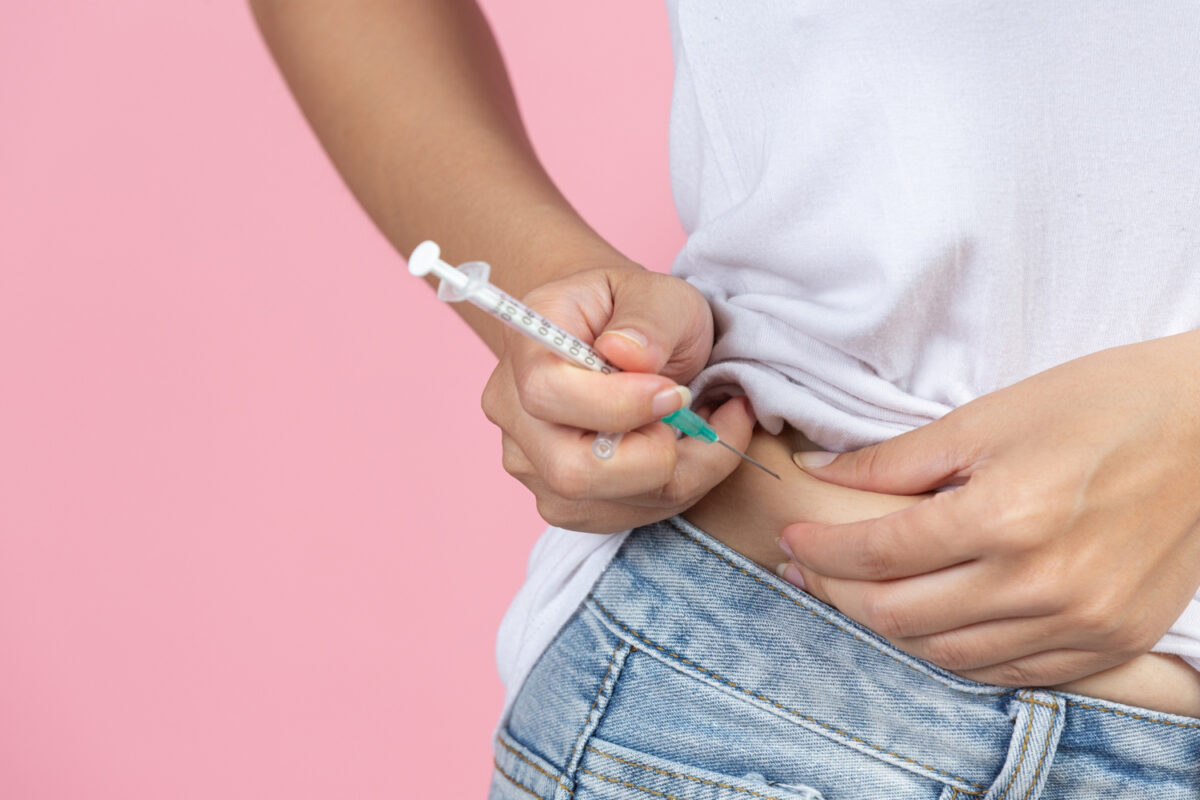
You may know that PCOS causes unwanted hair growth, period problems, and even fertility challenges — but insulin resistance? September is PCOS Awareness Month and a great time to learn about its lesser-known complications, including Type 2 diabetes.


Polycystic ovary syndrome (PCOS) affects about 5 million American women, yet it’s one of the most misunderstood female health issues. We aim to change that during the PCOS Awareness Month by shedding some light on one of this condition’s lesser-known complications — insulin resistance.


Board-certified obstetrician and gynecologist Dr. Anju Nayar and our team at Nova Women’s Health in North Reading, Massachusetts, offer a full spectrum of services for women of all ages. Unfortunately, many women experience symptoms and changes they don’t realize are signs of PCOS, so they never seek care.


Here, Dr. Nayar explains the connection between PCOS and insulin resistance and how we can help if you experience this troublesome symptom.


What is insulin resistance?

When you eat a meal, your body breaks down the food and turns it into sugar, also called blood sugar or blood glucose, which provides energy for everything from basic bodily functions to running a marathon.


To fuel these activities, the glucose enters your bloodstream and triggers your pancreas to release a hormone called insulin. Insulin unlocks your cells and allows the sugar to enter your muscles, liver, and fat tissue, where it resides until you need to use the energy. Once the sugar transfers from your blood to your cells, your insulin level drops and rebalances.


However, if your cells don’t respond to insulin appropriately and can’t absorb or store the glucose — insulin resistance — your blood sugar spikes, and your pancreas cranks out more insulin to correct the problem.


Insulin resistance can be temporary, but if it becomes chronic, you develop Type 2 diabetes.


What’s the link between insulin resistance and PCOS?

As its name suggests, PCOS originates as a problem in your ovaries, but it affects your entire endocrine system, which is why up to 70% of women with PCOS have insulin resistance or high insulin levels.


However, insulin resistance isn’t just a PCOS symptom; it’s also one of the driving factors that cause PCOS. Because high insulin interferes with ovulation, it can trigger your ovaries to make too much of the male androgen hormone — the definition of PCOS.


There’s also a connection between PCOS, obesity, and insulin resistance. Your fat cells produce a protein called adiponectin, which helps regulate insulin and blood glucose. Adiponectin levels rise as your weight increases, hindering your insulin sensitivity.


The complicated relationship intensifies when you add the variable of obesity. Obesity makes you more likely to develop insulin resistance, insulin resistance makes you more likely to develop PCOS, and PCOS makes you more likely to gain weight and develop insulin resistance.


This vortex of causes and symptoms makes it tough to identify the starting point, but one thing is certain: Having PCOS affects how your body responds to insulin.


What to do about PCOS and insulin resistance

There’s no cure for PCOS yet, but there’s much we can do to control its symptoms and prevent complications.


If you’re overweight and have PCOS with insulin resistance, the best thing you can do is drop excess pounds. Losing even a small amount can make a big difference, reducing your chances of developing prediabetes or Type 2 diabetes, and even reversing your symptoms if you’ve already been diagnosed.


If you don’t plan to get pregnant, we may recommend hormonal birth control or insulin-sensitizing medication to rebalance your hormones.


If you plan to get pregnant, Dr. Nayar performs thorough physical and diagnostic tests at our state-of-the-art facility and determines whether PCOS is causing infertility . She develops a personalized treatment plan that increases your chances of conceiving safely and successfully despite PCOS.


Don’t let PCOS symptoms rob your comfort and joy — call Nova Women’s Health PCOS specialists or book an appointment online and break the cycle of PCOS and insulin resistance.


Categories
Uncategorized

Birth Control: Pros and Cons of Hormonal Methods

Birth Control: Pros and Cons of Hormonal Methods

You have many options when it comes to birth control — sperm barriers, implantable devices, timing and luck, permanent surgical solutions. Hormonal contraception is a tried-and-true method used by millions. Here’s what you need to know about it.


Until you’re ready to have a baby, you need to do something to prevent pregnancy. Unless you’re abstinent, every act of sexual intercourse comes with the possibility of pregnancy, even if you use a contraceptive, but most methods are highly effective.


As part of our comprehensive services, we offer birth control options at Nova Women’s Health. Dr. Anju Nayar and our dedicated OB/GYN team partner with women throughout North Reading, Massachusetts, focusing on every aspect of reproductive wellness.


One of the questions we often hear is: Are hormonal birth control methods safe? Here, we’ve compiled a list of hormonal contraception pros and cons to give you a better understanding of how they work and affect your health.


Types of hormonal birth control methods

Several of the most popular contraceptive methods use hormones to prevent pregnancy. Here’s a look at the various types.


Combination pill

The combination pill contains estrogen and progestin. You take the pill orally once daily, and it’s 99% effective when taken correctly.


The levels of hormones in the pill vary, but it’s generally a low-dose medication, and Dr. Nayar customizes your dosage based on your needs. Some side effects are headaches, weight gain, or mood changes; however, you may have no side effects.


Progestin-only pill

You also take the progestin-only pill, also known as the mini-pill, orally once daily. It prevents pregnancy by thickening the mucus in your cervix and the lining in your uterus, but it only stops ovulation in one out of four women.


Still, it’s considered 99% effective. The progestin-only pill has low levels of hormones, and it may be best for you if you can’t take estrogen-based pills. Side effects may include irregular periods or spotting.


The patch

You apply the contraceptive patch to your skin once a week for three weeks, followed by one week off. It contains estrogen and progestin and is 99% effective when used correctly, although studies show that real-life use results in a 94% efficacy rate.


The patch is convenient because you don’t need to take it daily. Side effects may include skin irritation or mood changes.


Vaginal ring

You place the vaginal ring in your vagina for three weeks, followed by one week off. It contains estrogen and progestin and is 91%-99% effective when used correctly. Side effects may include vaginal irritation or mood changes.


Intrauterine device (IUD)

The hormonal IUD is a T-shaped device that we place in your uterus. There are two types of hormonal IUDs: Mirena® and Skyla®.


Mirena releases progestin that can last up to five years, while Skyla releases a lower dose of progestin that can last up to three years. Hormonal IUDs are 99% effective and may be a good option for women who want long-term birth control. Side effects may include irregular periods or cramping after insertion.


The pros and cons of hormonal birth control

Hormonal birth control works by stopping ovulation, thickening cervical mucus to prevent sperm from reaching an egg, and thinning the uterus lining to prevent implantation. Each type has its pros and cons, and the choice ultimately depends on your needs and preferences.


Hormonal birth control pros

One of the main benefits is its high level of effectiveness. When used correctly, hormonal birth control has a failure rate of less than 1%, making it one of the most reliable forms of contraception available.


Hormonal birth control also has other benefits, including:


  • Regulating menstrual cycles
  • Reducing menstrual cramps and bleeding
  • Improving acne

Certain types of hormonal birth control, such as the combination pill, can also reduce your risk of ovarian and endometrial cancer.


Hormonal birth control cons

Hormonal birth control also has its disadvantages. Some of the most common side effects are:


  • Irregular bleeding or spotting, especially during the first few months of use
  • Headaches
  • Nausea
  • Breast tenderness
  • Vaginal yeast infections
  • Mood changes
  • Decreased sex drive
  • Risk of blood clots in women over 40

Long-term use of hormonal birth control may also increase the risk of certain health conditions, such as blood clots, stroke, and breast cancer. However, the overall risk of these conditions is still relatively low for most women using hormonal birth control.


Not all hormonal birth control options are suitable for everyone. Women with a history of blood clots or certain medical conditions may not be able to use it safely. Hormonal birth control may also interact with other medications or medical conditions, so be sure to discuss any potential risks or warnings with Dr. Nayar before selecting a method.


It’s crucial to have an honest conversation with Dr. Nayar to determine the best option for you. For example, you may prefer the combination pill if you want to regulate your menstrual cycles and reduce acne; the hormonal IUD may be a better choice if you want long-term birth control that doesn’t require daily maintenance.


Call Nova Women’s Health or book online to schedule an appointment with Dr. Nayar and discover which hormonal birth control method is right for you.

Categories
Uncategorized

8 Lifestyle Tips for Managing Menopausal Hot Flashes

As long as there have been women, there have been women with hot flashes. Discover the link between menopause and hot flashes and how you can cool off so you can stop sweating the change of life.


Menopause may be a normal life stage, but the symptoms it ushers in are anything but normal. They can turn your life upside down with mood swings, vaginal dryness, hair loss, chronic fatigue, weight gain, and a tanking libido.


Perhaps the most notorious symptoms, however, are hot flashes. About 75% of menopausal women experience at least a few surges of heat, and some have so many hot flashes that they interfere with daily activities and quality sleep.


If that sounds familiar, schedule a visit with Dr. Anju Nayar, our board-certified gynecologist at Nova Women’s Health in North Reading, Massachusetts. Our experienced specialists understand how frustrating and uncomfortable hot flashes can be, and we have solutions to reduce their frequency and severity.


We customize your menopause management plan to reflect your individual needs and symptoms. You may be a good candidate for hormone replacement therapy to rebalance your hormones and calm your symptoms, or you may just need to make a few adjustments to your habits and routine.


8 ways to douse menopausal hot flashes

If you think low estrogen is the culprit behind your hot flashes, you’re only half right. While it’s true that estrogen levels drop when menopause arrives, there’s more to it than that. The hypothalamus region of your brain, which regulates your body temperature, relies on a balance of estrogen and a brain chemical called neurokinin B (NKB).


When estrogen decreases, you have relatively too much NKB, which triggers neurons in your brain and tricks it into thinking you’re hot when you’re not. As a result, you feel the effects of a confused nerve-brain connection called vasomotor symptoms — hot flashes.


Here are our top tips for keeping cool despite menopause.


1. Curb your cocktails

Alcohol is a vasodilator, meaning it widens your blood vessels and can contribute to or worsen hot flashes. Compared with men, women and alcohol have a rocky relationship.


Women’s bodies are generally smaller and have a lower tolerance for alcohol. Women also have less of the enzyme dehydrogenase, which metabolizes alcohol, and the small amount in women’s livers isn’t very active. In addition, women tend to lose more water volume than men as they age, so there’s less fluid to dilute alcohol in your system.


2. Wear layers

During summer, wearing light fabrics keeps you as cool as possible regardless of your vasomotor symptoms. You can do yourself a favor by carrying that mindset into the rest of the year as well. Wearing a few layers of lighter materials gives you options when a hot flash hits.


Because hot flashes come on suddenly and intensely, the ability to remove a layer or two of fabric can make a big difference.


3. Avoid spicy foods

Like alcohol, spicy foods can trigger hot flashes. That doesn’t mean you’re doomed to a bland diet, but you may benefit from swapping out chilis, wasabi, and the like for herbs and other milder choices.


4. Eat “cooling” foods

In addition to avoiding too many spicy foods, you can turn the furnace down by adding some of these foods to your diet:


  • Soy products
  • Almonds
  • Avocado
  • Red bell pepper
  • Mango
  • Peanuts and peanut butter
  • Asparagus
  • Spinach and other dark greens
  • Sunflower seeds
  • Cold-water fatty fish (salmon, tuna, mackerel)

Some research has shown that foods high in vitamin E can also calm your hot flashes.


5. Watch your weight

Fat insulates your body and keeps heat in, so if you carry too many extra pounds, you may be more susceptible to hot flashes.


6. Quit smoking

Studies show that smokers have more hot flashes during menopause than nonsmokers, but the chemicals in tobacco can even trigger early menopause.


7. Reduce stress

Stress gets you all worked up and anxious, accelerating your heart rate, increasing your blood pressure, and triggering a flood of cortisol and adrenaline — a perfect recipe for vasomotor symptoms.


Avoiding stress when possible and managing the stress you can’t sidestep can keep hot flashes at bay. Actions such as meditating, praying, breathing deeply, exercising, and practicing mindfulness could be your ticket to cooler nights and fewer flashes.


8. Carry a portable fan

Accordion-style hand fans were once a staple accessory in women’s wardrobes, but they’ve fallen out of fashion. Dare to bring them back into vogue — just slip one into your purse or backpack and whip it out when a hot flash hits.


If you’re more of a modern woman, consider a battery-operated device that creates instant air — no waving required. Some even plug into your smartphone.


If you need extra help managing your hot flashes and other menopause symptoms, call Nova Women’s Health to schedule an appointment or book online.

Categories
Uncategorized

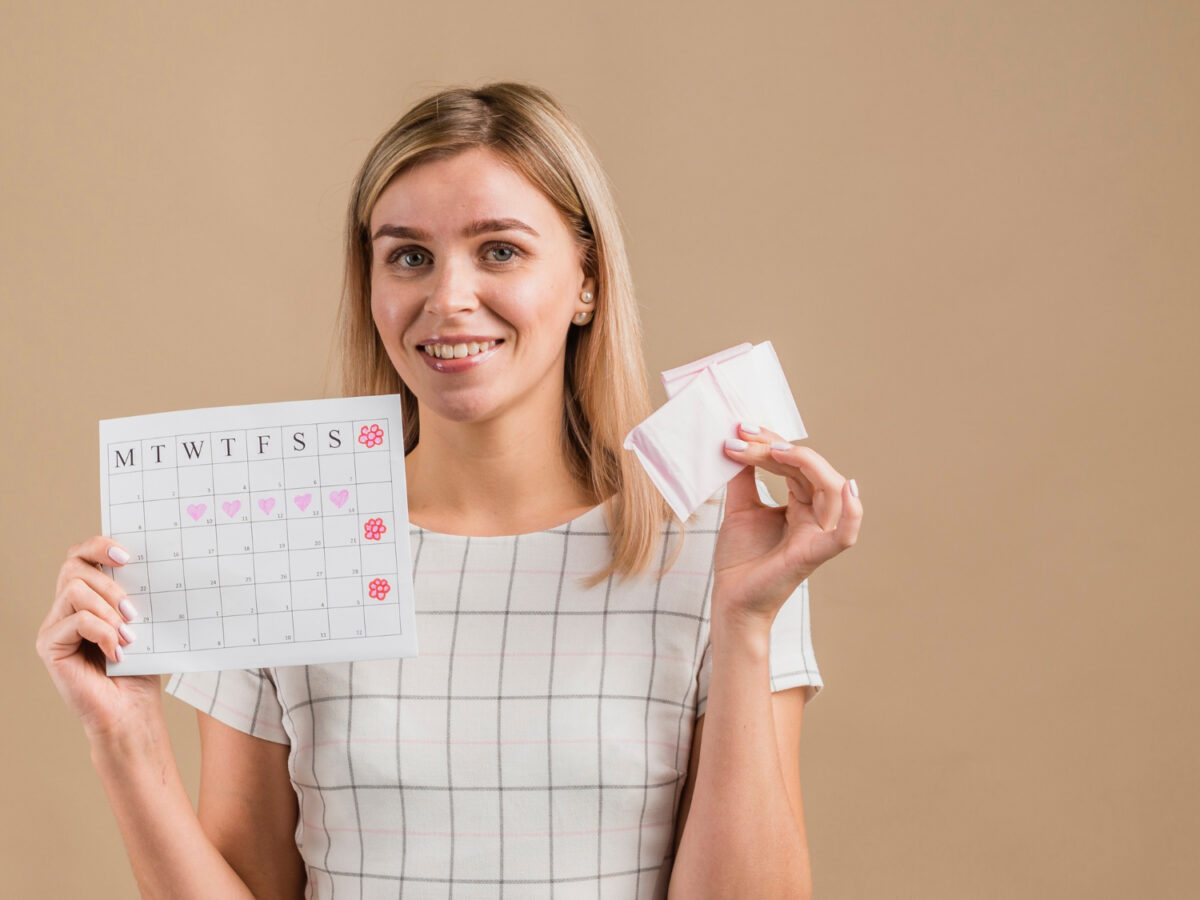
Why Is My Period So Heavy?

Why Is My Period So Heavy?

It’s normal for your flow to change throughout your life — some periods last a few days, others up to a week, and some seem heavier than others. But how heavy is too heavy, and what could it mean? Here’s what you need to know about abnormal periods.


If you’re like most women, you know what’s normal for your menstrual cycle and can usually count on the same cycle length, the same flow rate, and the same duration each month. Of course, sometimes something throws off your routine or your body, and your period reflects the changes.


If your periods are heavier than usual, chances are a change has occurred, and Dr. Anju Nayar can get to the bottom of it.Our Nova Women’s Health team helps women in the North Reading, Massachusetts, area identify, understand, and manage their reproductive health issues, so if heavy periods are interfering with your life, we invite you to come in for an exam.


We provide a safe and professional environment where you can feel comfortable talking about your heavy periods and know that our specialists have diagnosed and treated this condition — called menorrhagia — often.


How to tell if your periods are too heavy

Let’s start by defining a heavy period. Because every woman is different, it can be tough to tell what constitutes abnormal bleeding, but specific symptoms let us know when your flow is too heavy:


  • You soak through your tampon or pad every hour
  • You have to wake up in the middle of the night to change your pad or tampon
  • You have to use both a pad and a tampon
  • Your periods are so heavy they restrict your activity
  • You pass blood clots bigger than a quarter
  • Your periods last longer than a week

Heavy periods can also make you feel fatigued because the blood loss over time can lead to anemia. On average, menstrual blood amounts to about 30-40 mL. If you have any of the symptoms mentioned above, you could be losing around 80 mL of blood each month, which means you have menorrhagia, and we need to find out why.


Common causes of heavy periods

Heavy periods can signify many different conditions and situations. When you talk with Dr. Nayar, tell her about other symptoms and details, such as how frequently you have heavy periods, whether they involve pain and cramping, what medications and supplements you take, and any past or present health conditions.


Those factors and the results of your physical exam help Dr. Nayar diagnose the underlying cause of menorrhagia so she can get you started with effective treatment. Here’s a partial list of the many potential causes of heavy periods.


Hormonal imbalance

Because hormones regulate your periods, they’re a prime suspect in menorrhagia. For example, if your body produces too much estrogen, it can thicken your uterine lining and lead to heavy periods. Hypothyroidism, when your thyroid is underactive, also can cause irregular and heavy periods.


If you use hormonal birth control and recently started, stopped, or changed your prescription, that may be the reason your period is heavy, especially during the first few days of your cycle.


Medications

Blood thinners can cause heavy bleeding during your periods.


Fibroids and polyps

Sometimes, noncancerous growths called fibroids and polyps develop on your uterine lining and even outside of your uterus. Depending on their size and location, they could be the culprit behind your heavy periods.


Adenomyosis

Similar to fibroids and polyps, adenomyosis involves rogue tissue that grows where it shouldn’t — in this case, endometrial tissue invades your uterine muscles, thickens the wall, and causes heavy bleeding.


Polycystic ovary syndrome (PCOS)

When you have a condition called PCOS, characterized by too much of the androgen hormone, the hormonal imbalance confuses your body and leads to a cascade of symptoms, including heavy periods.


Endometriosis

The lining of your uterus (endometrial tissue) can grow beyond the uterine cavity, a condition known as endometriosis. It can cause heavy, painful periods.


Copper intrauterine devices (IUDs)

Some IUDs use hormones to prevent pregnancy, but ParaGuard is a nonhormonal version with a copper coil that triggers an inflammatory response that’s toxic to sperm and eggs and prevents fertilization. It also causes heavy periods.


Pregnancy issues

What appears as a heavy period may be related to an unknown pregnancy. For example, a miscarriage produces a lot of blood, which many women mistake for a heavy period. An ectopic pregnancy that develops outside of your uterus can also cause heavy bleeding that feels like a heavy period.


How we stop your heavy periods

The treatment Dr. Nayar recommends depends entirely on what’s causing your heavy periods. She may prescribe birth control pills or change your current prescription, or she may suggest hormone replacement therapy to balance your hormones or gonadotropin-releasing hormones (GnRH) to shrink your fibroids. For severe fibroids and endometriosis, Dr. Nayar could recommend a laparoscopic procedure, minimally invasive surgery to remove endometrial and fibroid growths. In severe cases, a hysterectomy (removal of your uterus) may be necessary. Don’t think you have to live with heavy periods. Discover what’s causing the problem and get back to a normal flow. Call Nova Women’s Health, or book an appointment online today.


Categories
Uncategorized

What To Do If You Skip A Birth Control Pill

Birth control pills have high effective rates against unplanned pregnancy, but these numbers can drop if you accidentally miss a pill. If you skip a birth control pill, here’s what you need to do.


Missing a birth control pill can be stressful, but it’s not uncommon. In fact, the Centers for Disease Control and Prevention (CDC) estimates that around 15% of women who use oral contraceptives miss at least one pill per cycle, and 16% miss at least two pills.


Anju T Nayar, M.D., and our team here at Nova Womens Health know it’s stressful to miss a pill. If you’re unsure what type of pill you take or how to proceed after missing one, don’t hesitate to call our North Reading, Massachusetts, office.


In the meantime, if you’ve missed a pill, you can take some general steps to reduce your pregnancy risk.


Confirm what type of birth control pill you’re taking and how many you missed

Check the instructions for your specific brand of birth control pills. Different pills have different instructions for missed doses, so it’s important to know what type of birth control pill you take: the combination or the mini pill. Most women take the combination pill 一 which contains both estrogen and progestin hormones 一 but some opt for the mini pill, which only contains progestin.


If you missed a progestin-only pill

If you miss taking a mini pill, it’s important to take action to prevent unintended pregnancy. If you’re more than three hours late in taking your pill or miss any number of pills, you’ll need to use a backup form of birth control for the next two days. You must use backup protection for seven days if you’ve missed it by a full day.


Mini pills drop from a 99% effective rate to a 91% effective rate if you miss a pill or are late with a pill.


If you missed one pill

If you missed taking your mini pill three or more hours ago, take it as soon as possible. If you missed only one day’s pill, take it immediately, and then take today’s pill on schedule if you haven’t already. It’s okay to take two pills in one day. Resume your normal schedule for the rest of the month.


If you missed multiple pills

However, if you forget to take two or more pills in a row, use a backup form of birth control. Depending on how many pills you missed, you may start your period. Call us if you’re unsure how long to use backup protection or how many pills to take.


If you missed a combination pill

If you miss one or more pills containing hormones, here’s what you should do:


If you forget one pill

Take the missed pill as soon as possible, and continue taking the rest of your pills as usual. If you missed a pill during the first week of a new pack, use another form of birth control for the next seven days.


If you forgot two pills in a row

Take the most recently missed pill immediately and discard the others. Continue taking the rest of your pills as usual, even if it means taking two pills in one day. Use condoms or another form of birth control until you take your pill for seven days consecutively.

If you missed any combination pills the week before your period

Skip the placebo pills and take one of the remaining hormone pills each day. Start a new pack the day after finishing the remaining pills. If you can’t start a new pack immediately, use a different form of birth control, and continue to do so until you’ve taken your pill every day for seven days.


Side effects of missing pills

Missing birth control pills can cause light bleeding, cramping, nausea, and headaches or migraines. Missing multiple pills in a row increases the risk of accidentally getting pregnant. Use a backup method of contraception, such as condoms, while getting back on track.


Do you consistently miss pills?

Remember that missing a pill does not necessarily mean you will become pregnant. However, it’s important to take action to reduce your risk of pregnancy and to use backup contraception until you have taken your pills correctly for at least seven days.


If your schedule prevents you from taking your pills easily at the same time every day, it may be time to consider other birth control options that don’t require daily action. For example, an intrauterine device (IUD) is a set-it-and-forget-it type of birth control.


Here at Nova Womens Health, Dr. Nayar helps you find the right birth control. She considers your overall health, family planning goals, and lifestyle before recommending your options.


If you’d like to explore your birth control options, schedule a contraception counseling session in our North Reading, Massachusetts, office by calling 978-664-5979. You can also use our online form to book online.